

No products in the cart.

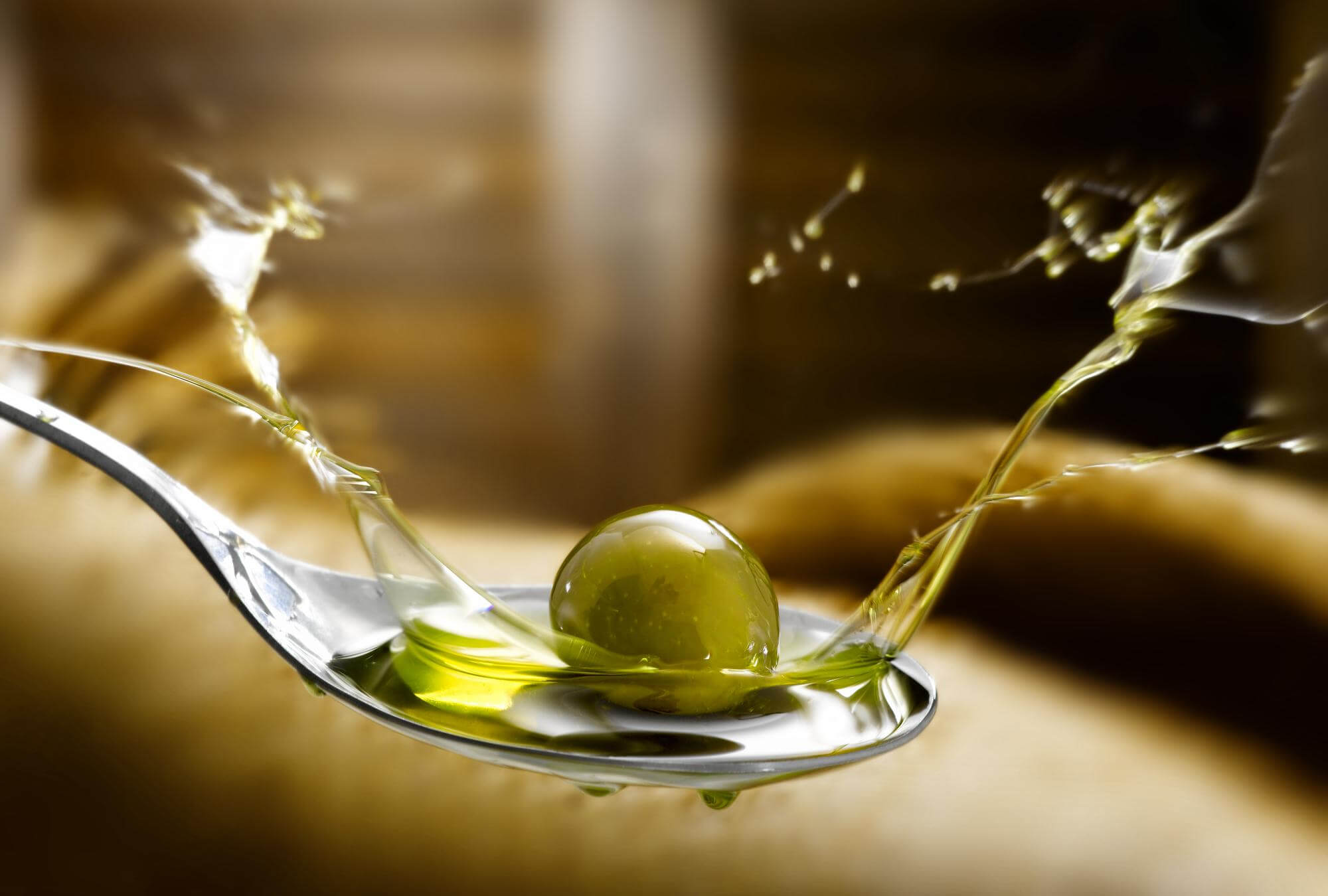
The Magic of Olive Oil Tasting: How to Recognize a High-Quality Oil
Olive oil is more than just an ingredient—it’s an experience. Just like fine wine, high-quality olive oil has a complexity of flavors, aromas, and textures that make it truly special. But how can you tell the difference between an exceptional extra virgin olive oil (EVOO) and an average one? Let’s dive into the art of olive oil tasting and discover what makes a great oil stand out.
Step 1: The Visual Test
Many believe that color determines the quality of olive oil, but that’s a myth. Olive oil can range from deep green to golden yellow, depending on the olive variety and harvest time. Instead of focusing on color, look for an oil that appears fresh and clear, without cloudiness unless it is unfiltered. Since our oil is unfiltered, a natural cloudiness is expected and is a sign of its authenticity and richness.
Step 2: The Aroma Test
A high-quality extra virgin olive oil should have a vibrant, fresh aroma reminiscent of green olives, freshly cut grass, tomatoes, or even artichokes. To test the aroma, pour a small amount of oil into a glass, cup it with your hand to warm it slightly, and swirl it gently. Then, take a deep sniff—does it smell fresh and fruity? If it has a musty, rancid, or waxy scent, it’s likely low quality or past its prime.
Step 3: The Taste Test
Take a small sip and let the oil coat your tongue. High-quality olive oil should taste smooth yet lively, with notes of fresh herbs, nuts, or even peppery spices. A slight bitterness on the tongue is a good sign—it indicates the presence of healthy polyphenols. If you feel a spicy kick at the back of your throat, that’s another marker of a fresh and robust EVOO.
Step 4: The Texture Test
Good olive oil has a balanced, silky texture—neither too watery nor too heavy. If it feels greasy or overly thick, it might be over-processed or low in quality.
Olive oil is nature’s liquid gold, nourishing both the body and the soul with its health-boosting richness.
Common Signs of Low-Quality Olive Oil
- Rancid or stale smell (like crayons or old nuts)
- Flat, greasy, or flavorless taste
- No bitterness or peppery sensation
- Cloudy or separated appearance (except in unfiltered varieties like ours)
Why Olive Oil Tasting Matters
Understanding how to taste olive oil enhances your appreciation for this incredible product. It also helps you make informed choices when purchasing olive oil, ensuring you get the best quality for your health and culinary creations.
At 100 Ulivi, we believe that tasting is believing.
That’s why we host exclusive olive oil tasting events where you can experience the richness of our handcrafted, unfiltered EVOO firsthand. Join us and discover the magic of pure, authentic olive oil.
Are you ready to taste the difference?
Explore our collection of premium unfiltered olive oils today!
Follow us on social media and stay tuned for our next olive oil tasting event!


